
Attendance and Absenteeism

Systemically Addressing Attendance
The resources and interventions on this webpage are structured into tiers.
Tier 1 - Encompasses universal strategies applicable to all students and families.
Tier 2 & 3 - Provide increasingly targeted support for students with higher absenteeism levels.
This approach is recognized by educators and public health officials familiar with other multi-tiered support systems like Response to Intervention and Positive Behavioral Interventions and Support.
Tier 1: Universal Prevention
These strategies focus on preventing absenteeism among all students. Examples include setting attendance expectations and recognizing improvements.
Strategy List: Engaging with Families, Student-Teacher Relationships, Relevant-and Culturally Relevant-Instruction, Restorative Discipline Practices, Summer Learning and Afterschool Strategies, Positive Greetings at the Door, Rethinking Recess, Healthy School Buildings, School-based Health Services, Telehealth, Free Meals for All, School Busses, Safer Walk to School, Laundry at School.
Tier 2: Targeted Assistance
These interventions aim to remove attendance barriers for students at higher risk of chronic absenteeism, like those nearing or already meeting the 10% absence threshold. They can be applied to individuals or groups with similar challenges, requiring more personalized attention from schools to emphasize the importance of attendance and develop barrier-reduction plans.
Strategy List: Early Warning Systems, Targeted Home Visits, Mentors and Tutors, Targeted Youth Engagement, Addressing Asthma, Mental Health Support and School Refusal, Students with Disabilities, Immigration Enforcement.
Research
- Check and Connect(opens in new window)
- Effect of the School-Based Telemedicine Enhanced Asthma Management Program on Asthma Morbidity(opens in new window)
- Effect of Full-Time vs. Part-Time School Nurses on Attendance of Elementary Students with Asthma(PDF, opens in new window)(PDF, opens in new window)
Resources
- The Mentoring Effect(opens in new window)
- Relationships Matter Toolkit(opens in new window)
- Common Ground: Helping Tutors and Pupils Find Similarities Boosts Session Attendance(opens in new window)
- Do Written Asthma Action Plans Improve Outcomes?(opens in new window)
- School Avoidance(opens in new window)
- Immigrant and Refugee Children: A Guide for Educators and School Support Staff(opens in new window)(PDF, opens in new window)(PDF, opens in new window
Tier 3: Intensive Intervention
These interventions offer extensive support to students at the highest risk of chronic absenteeism. They often involve customized case management and may include cooperation with health, housing, and social services agencies. This level of support is beneficial for students missing 20% or more of the school year.
Strategy List: Inter-agency Case Management, Housing Insecurity, Truancy.
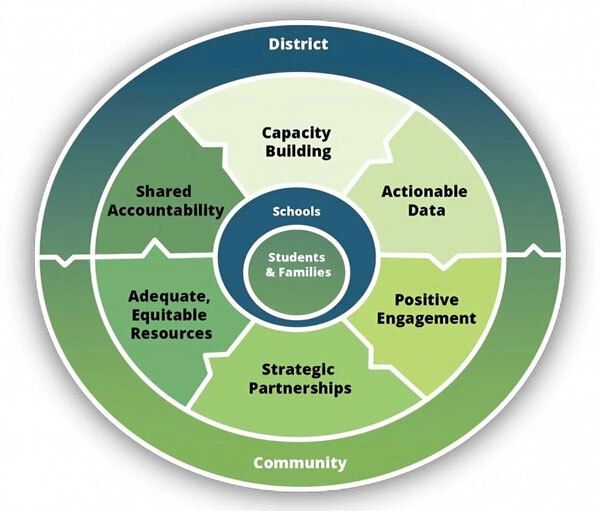
Effective attendance strategies require a foundation of key conditions(opens in new window) (Attendance Works website), including physical and emotional well-being, a sense of belonging, engaging academics, active student involvement, and emotional support. These conditions are built through relationship-building and are crucial for motivating students to attend school.