
Overview
Student teams build their knowledge and engage in hands-on exploration of the Urban Heat Island Phenomenon (UHIP) from a local perspective using AREN TerraROVER technology. By analyzing environmental data and applying engineering design thinking, students apply their knowledge through an engineering design challenge to create a concept map for a UHIP‑resilient neighborhood.
Resources
- TerraROVER UHIP Environmental Design Challenge (PowerPoint)
Session 1 Agenda
- Introduction to the Engineering Design Process (EDP)
- What are UHIP and PM, and why do they matter?
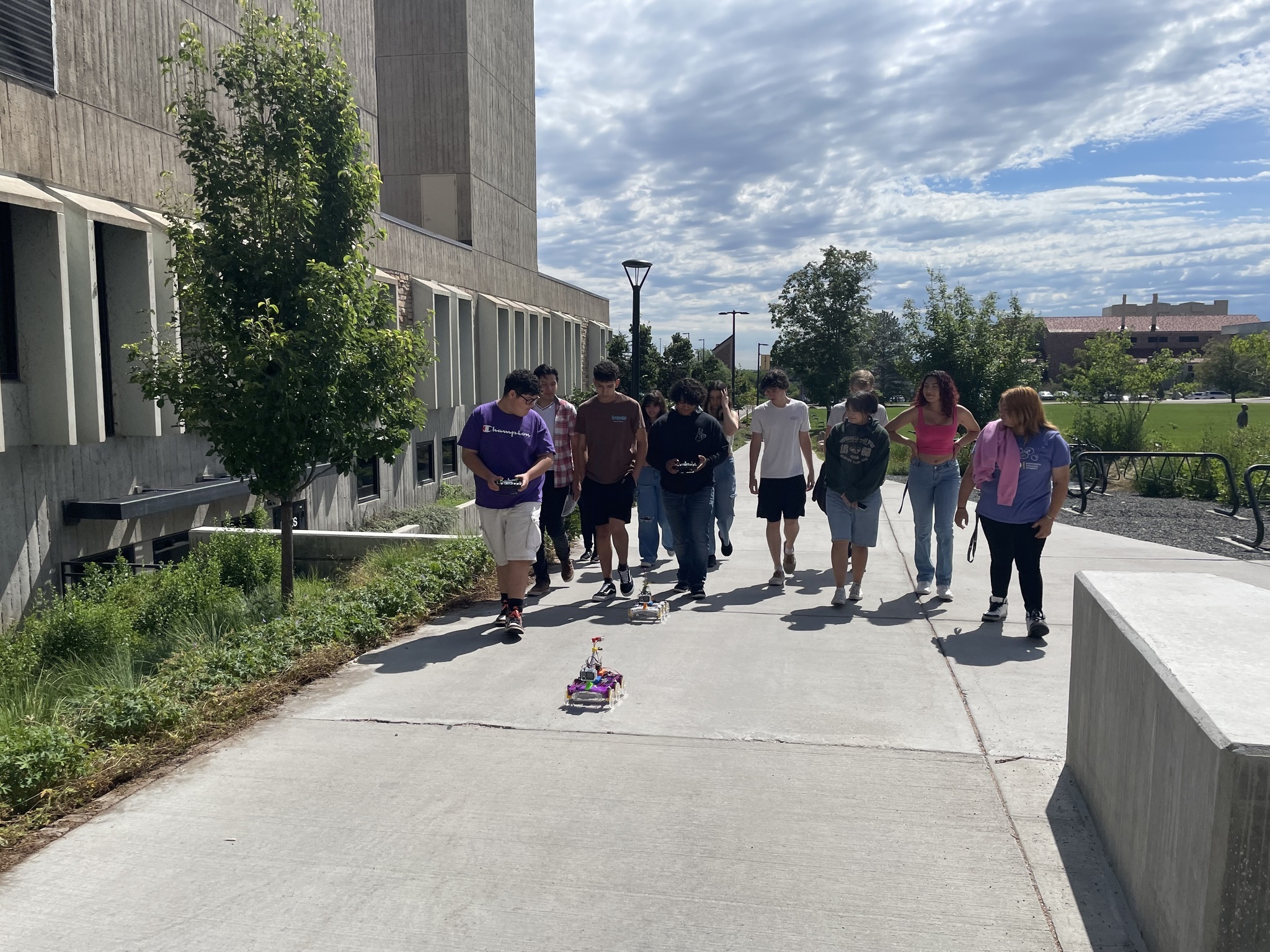
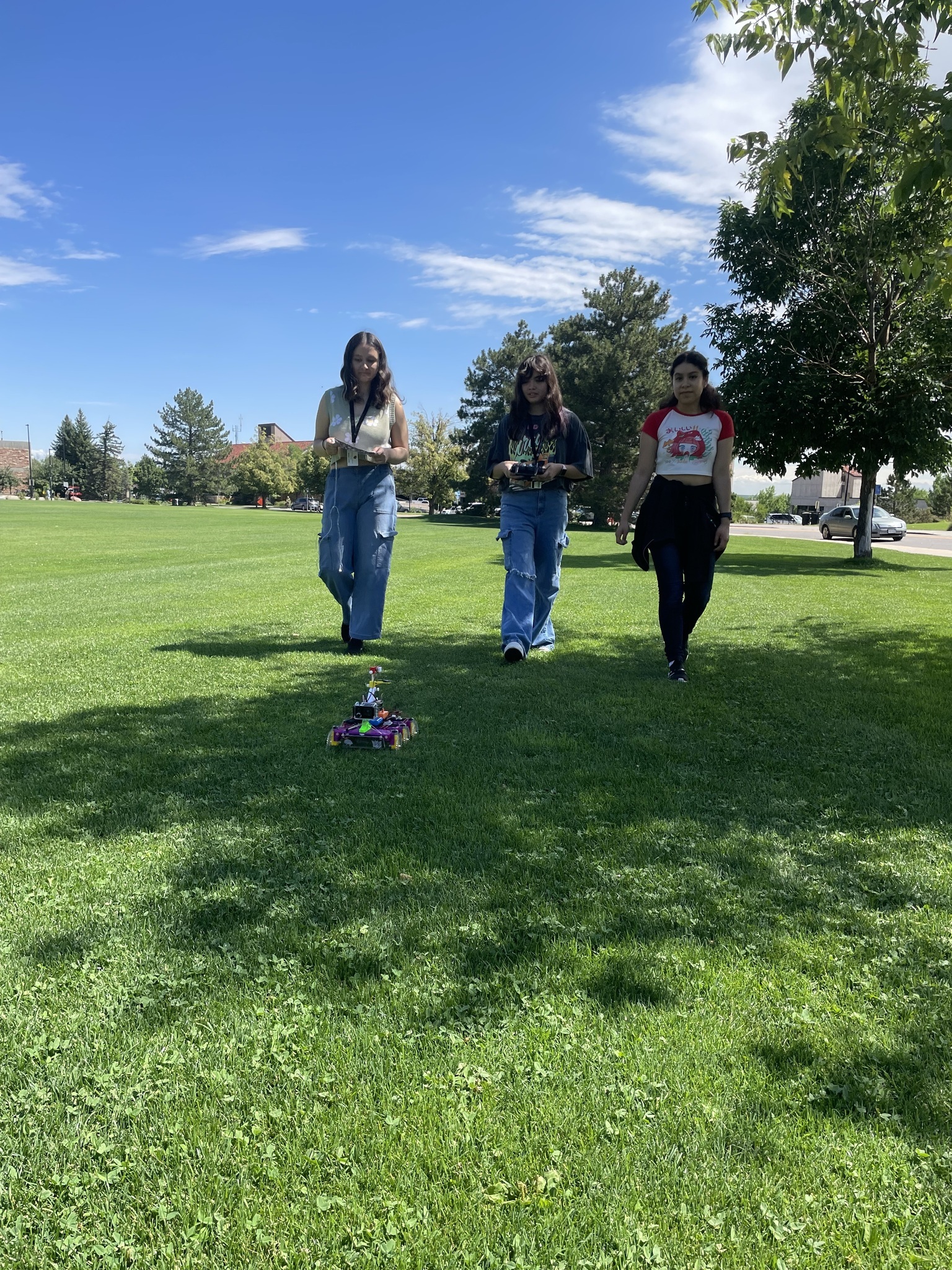
- Environmental EDP Challenge and Rover Data Collection
- CODAP Data Analysis
Session 2 Agenda
- UHIP Review and Research
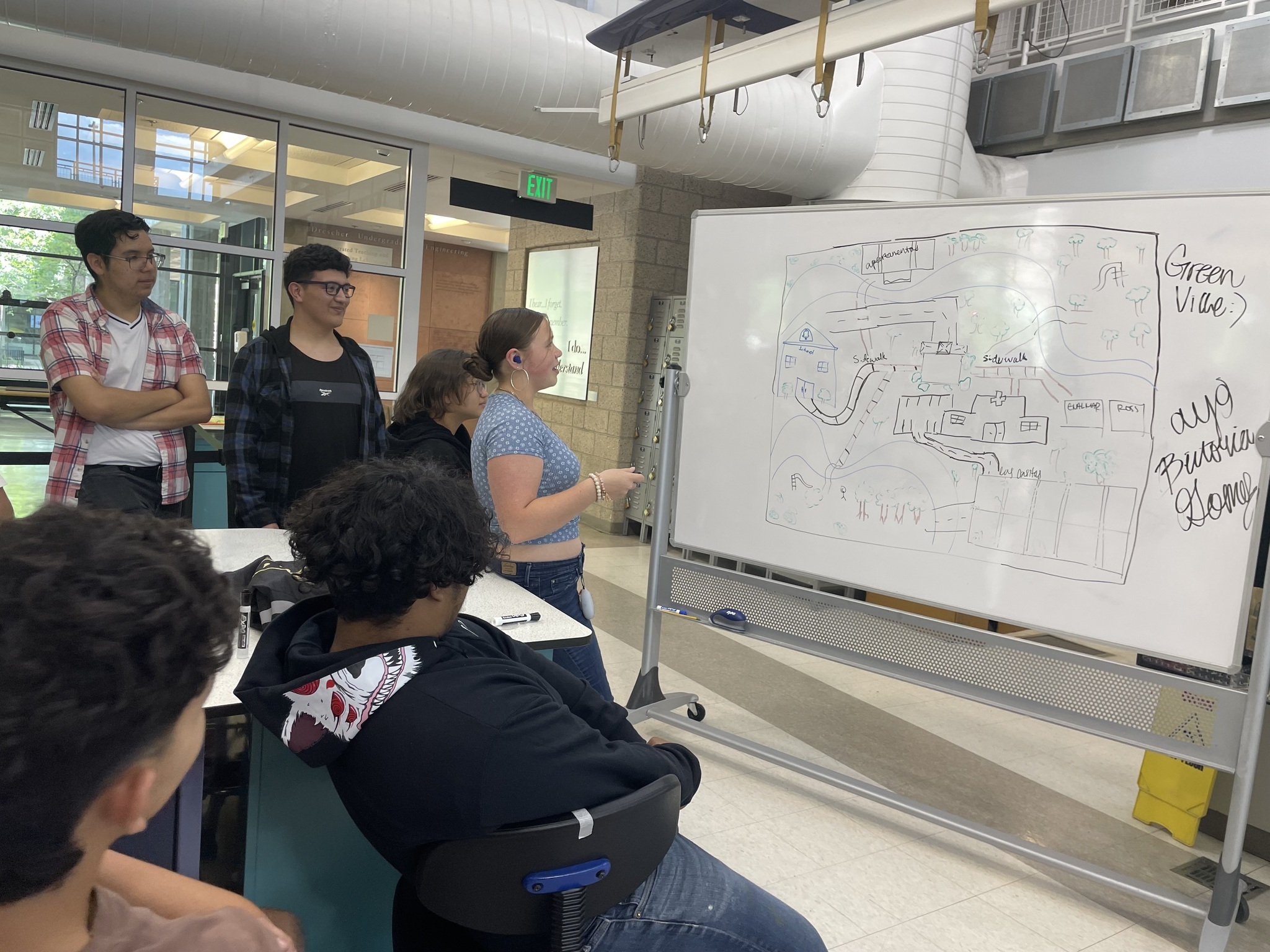
- "Keep it Cool" UHIP-Resilient Community Design Challenge
- TerraRover Races!
Technology required
- IR Thermometer, WindMeter, Computer, Internet, TerraROVER
Setting
- Indoor classroom instruction and outdoor data collection in a local location
Handout
Lesson Duration
- Two 90-minute sessions
Participant Group Size
- Group size is based on the total number of students and the number of rovers available. Include additional related activities if needed to enable student groups to rotate between concurrent stations.
Analysis Type
- Descriptive
- Qualitative data
- Quantitative CODAP data
History of development and implementation of this learning activity
- This engineering design workshop was developed, implemented, and revised using AREN TerraROVER technology as part of the CU Pre-College Engineering summer programming over a three-year process.
NGSS Science Standards
5-ESS3-1 Earth and Human Activity, MS-ESS3-3 Earth and Human Activity, HS-ESS3-4 Earth and Human Activity (additional standards may align, e.g., albedo effect)